


 Deutsch
 Italiano
 Français
Story
Cycling with Disabilities
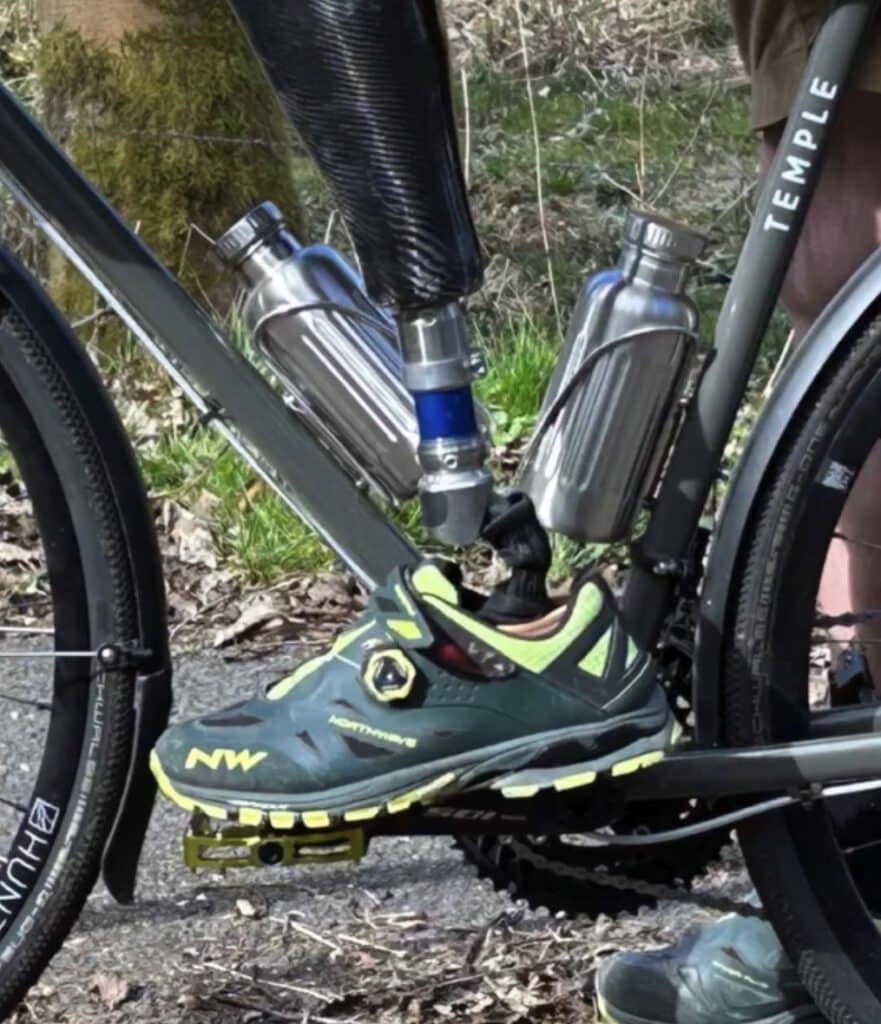
Cycling with Disabilities: Are Magnetic Pedals the Key to New Mobility?
Cycling means far more than just transportation. For people with physical impairments, it is a gateway to increased mobility, independence, and quality of life. Whether on a classic e-bike, a tricycle, or a handbike, the movement strengthens the heart, circulation, and muscles, improves cognitive fitness, and supports rehabilitation in a joint-friendly way.
Health Benefits at a Glance
-
Physical: Targeted strengthening of the lower extremities, back, and core muscles. The cardiovascular system is stabilized without overloading the joints.
-
Mental & Psychological: Cycling promotes concentration and coordination. The feeling of freedom and active participation in social life massively increases psychological well-being.
Here at magped, nothing has blown us away more than hearing from inspiring adaptive athletes using our magnetic technology to get back on their bikes. We are proud to support adaptive athletes with a variety of mobility challenges, including above and below-the-knee amputations, drop foot, neuropathy and ankle paralysis. Our GRAVITY and ENDURO2 pedals, both featuring double-sided magnets, are the perfect choice for easy reconnection.
Learn more here about our commitment to adaptive athletes and our partnership with the High Fives Foundation, an incredible organization that aims to support adaptive athletes and improve accessibility to outdoor sports.
The Biomechanical Challenge: Why a Solid Connection?
Especially for people with prosthetic legs, paralysis, or spasticity, the interface between foot and pedal is the biggest hurdle. From a scientific perspective, cycling is a complex cybernetic process where power must be transmitted efficiently while maintaining overall body stability.
Why a solid connection (such as through magnetic pedals) makes scientific sense:
-
Avoiding “Idle Motion” with Prostheses: In the case of leg amputation, sensory feedback (proprioception) is missing. The rider does not immediately feel when the foot slips off the pedal. A firm connection guarantees that the prosthesis remains securely positioned and the power from the hip and stump muscles is converted directly into propulsion.
-
Optimizing the Kinetic Chain: In biomechanics, we speak of the kinetic chain. In cases of paralysis or muscle weakness, fixation helps keep the foot in the correct anatomical axis. This prevents malalignment in the knee and hip joints that could result from compensatory movements.
-
Safety During Spasticity: Involuntary muscle contractions (spasticity) often lead to the foot abruptly slipping off the pedal, which can cause serious falls. A magnetic fixation acts as a safety anchor that stabilizes the foot without locking it rigidly in place.
Magnetic Pedals as a Solution: The magped System
In recent years, magnetic pedals, especially from the manufacturer magped, have established themselves as an excellent alternative to classic clipless pedals or unstable flat pedals. With over 2,000 pairs sold to people with physical limitations and a return rate of less than 1%, the success of this solution is statistically proven.
The Advantages in Detail:
-
Intuitive Clicking: Magnetic force automatically pulls the foot into the correct position. This is particularly helpful when fine motor skills in the legs are limited.
-
Safe Release: Unlike conventional clipless pedals (SPD), which require a defined twisting motion of the foot, you can release from magnetic pedals by simply pulling away sideways. This can even be done through a hip movement—a decisive advantage for limited ankle mobility.
-
Individual Adjustment: Models like the magped ENDURO2 offer double-sided magnets and a large surface area. The magnetic strength can be individually adapted to the rider’s strength, and the position of the cleat can be flexibly varied—from the ball of the foot to the midfoot position.
Special Feature: Recumbent Bikes and Custom Solutions
On recumbent bikes, special position plates (plastic plates with a cutout) prevent the foot from sliding down due to gravity. The magnets usually align themselves optimally due to their own weight, making entry easier.
Choice of Shoes
Magnetic pedals work best with flat SPD cycling shoes that have a soft rubber sole. The big advantage: the metal plate is recessed into the sole. You can walk normally and safely after dismounting without balancing on slippery metal cleats—an important safety aspect for people with gait instability.
Conclusion
Magnetic pedals are often the necessary prerequisite to enable people with disabilities to cycle again at all. They combine the security of fixation with the freedom of quick release. Thus, they make a significant contribution to inclusion and active rehabilitation.