Deutsch
 Italiano
 Français
Story
Back in the Saddle: How magped ROAD2 Got Tom Staniford Back on His Bike
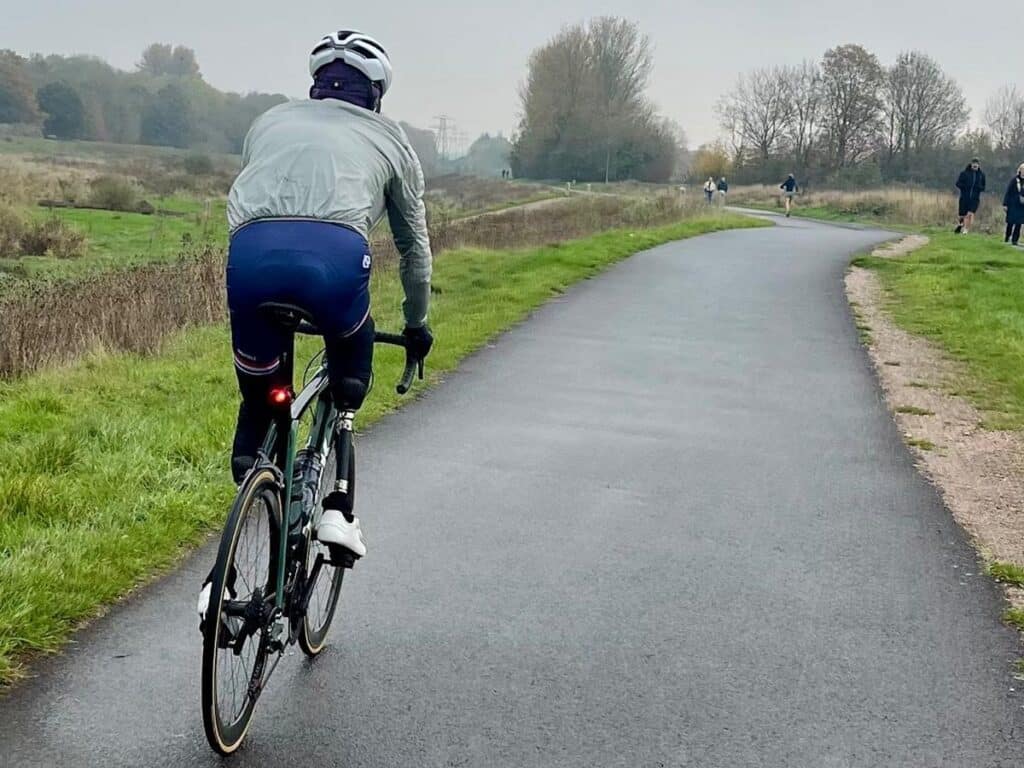
Magnetic pedals and para-cycling: what happens when a British National Para-Cycling Champion has both legs amputated for health reasons and finds he can no longer use his clipless pedals? We were glad to help Tom Staniford get back on the bike, and back to training hard.
Tom’s story recently made the front page of Cycling Weekly. Here he tells it in his own words, with a focus on the one part of his bike that had to change: the pedals.
One of about 20 people worldwide
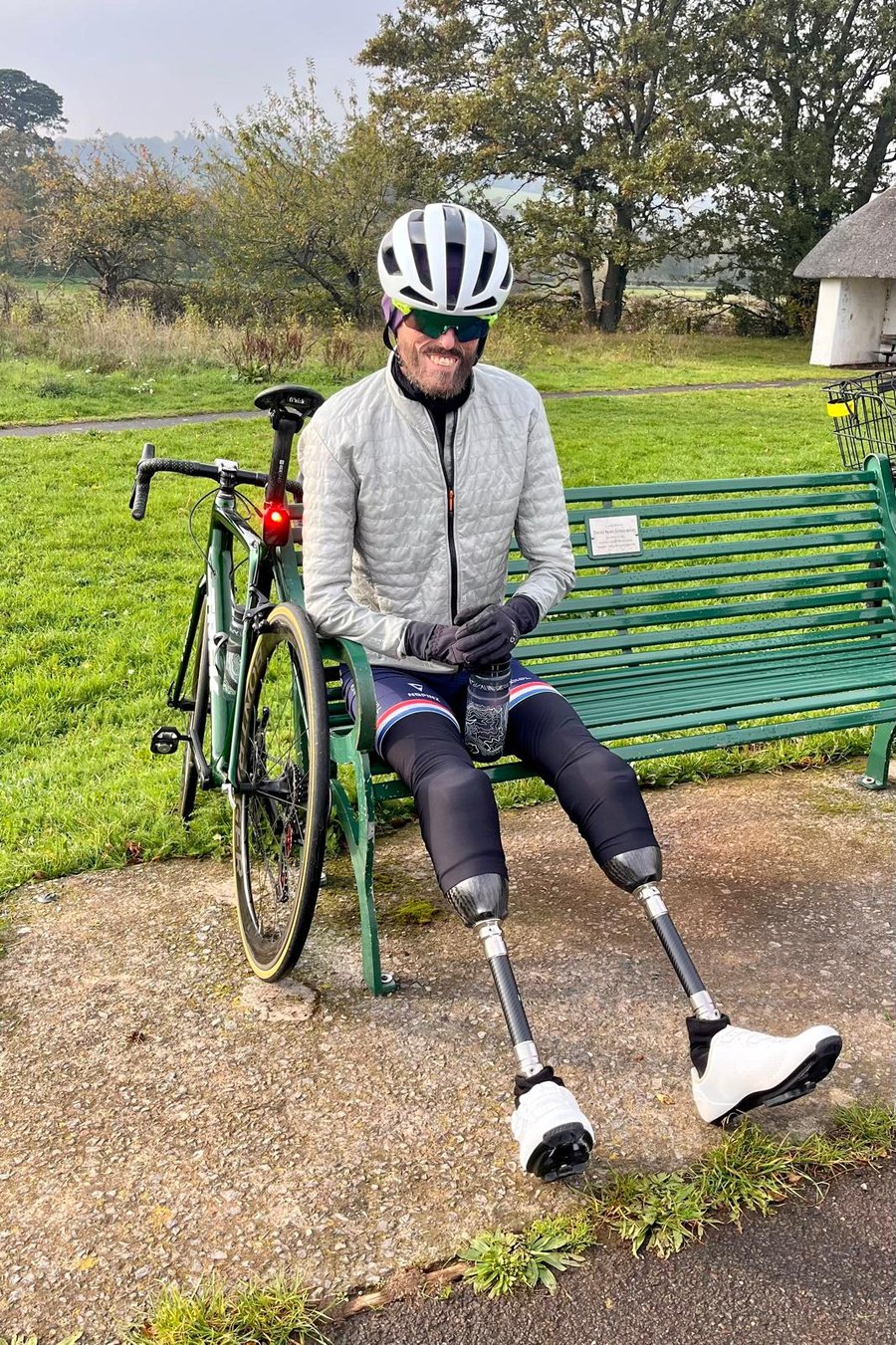
Tom Staniford is one of roughly 20 people worldwide with MDP syndrome. The genetic condition restricts his mobility and brings diabetes, hearing loss and no fat under the skin.
Repeated infections and bone fusions in his feet and ankles became overwhelming. So Tom chose to have both legs amputated below the knee, hoping prosthetics would give him a better quality of life. The big question: what would it mean for his cycling?
“The first and most important point to make is that I may have lost my legs, but I have not lost my love for cycling. I just have some new physical challenges to overcome so I can ride regularly and safely to the intensity that I want.”
When clipless pedals stopped working
“After I’d got my prosthetic legs and basic functionality sorted, I had a bike fit to make sure my bike fitted me well and was safe and comfortable to ride. We then discovered I just couldn’t use ‘traditional’ clipless pedals anymore!
I’ve been an enthusiastic rider for about 20 years, and I’ve always used clipless pedals for safety and performance. The problem is that their mechanical retention needs you to engage the pedal with a very specific position, angle, tilt and pressure. With my rigid prosthetics, I have almost no control over any of those.
Unclipping is even worse. The traditional ‘heel out’ twist might just turn my residual limb inside the prosthetic socket.”
What changed with magped ROAD2
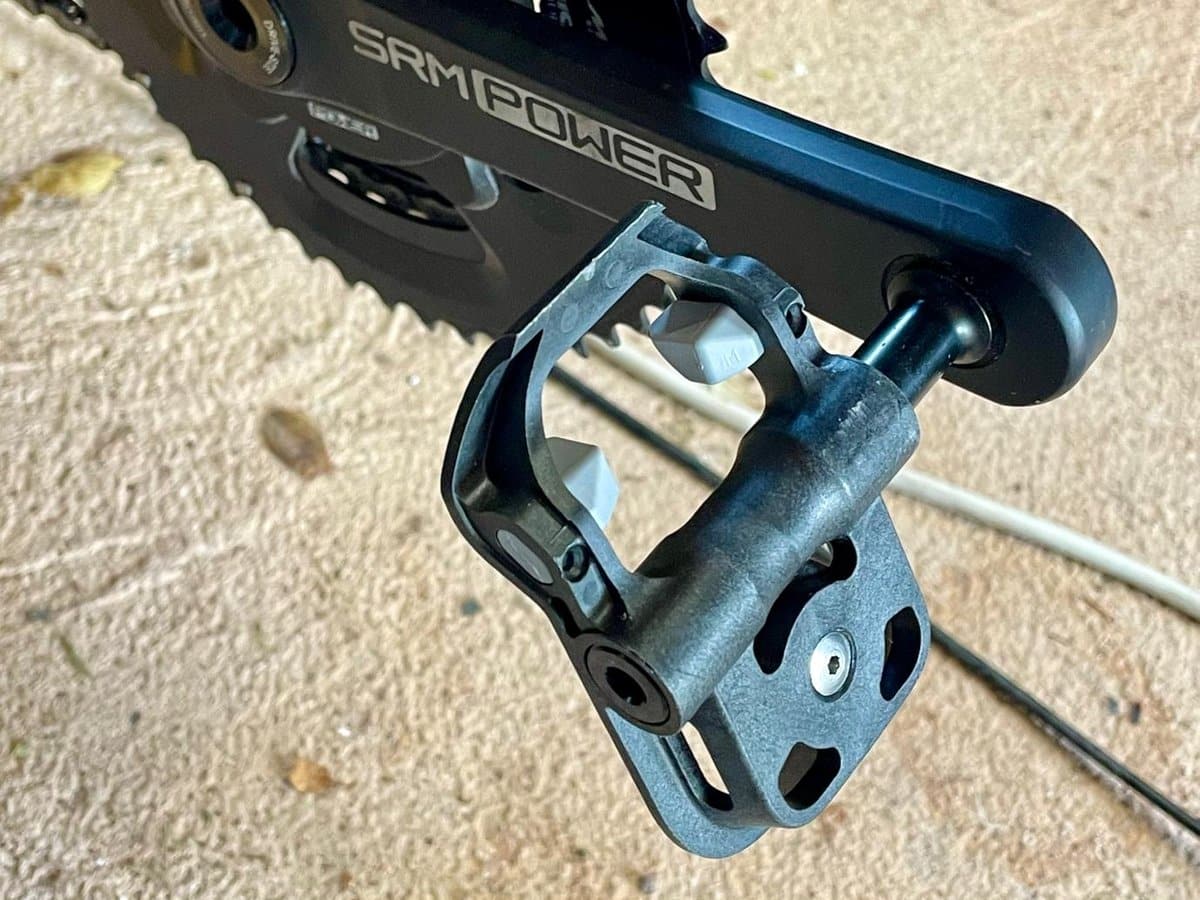
“My magped ROAD2 pedals let me overcome both of these issues with confidence. Engagement is intuitive and takes far less effort and control, because the magnet and cleat do the hard work.
Disengagement quickly becomes second nature. You simply tilt your leg to the side, from almost any position, and the magnets let go.
Despite how easy it is to clip in and out, retention and contact with the pedal are firm and reassuring. I have yet to have a single accidental unclip! It sounds deceptively simple, but I urge you to give it a go and see for yourself.”
Riding more, and riding harder
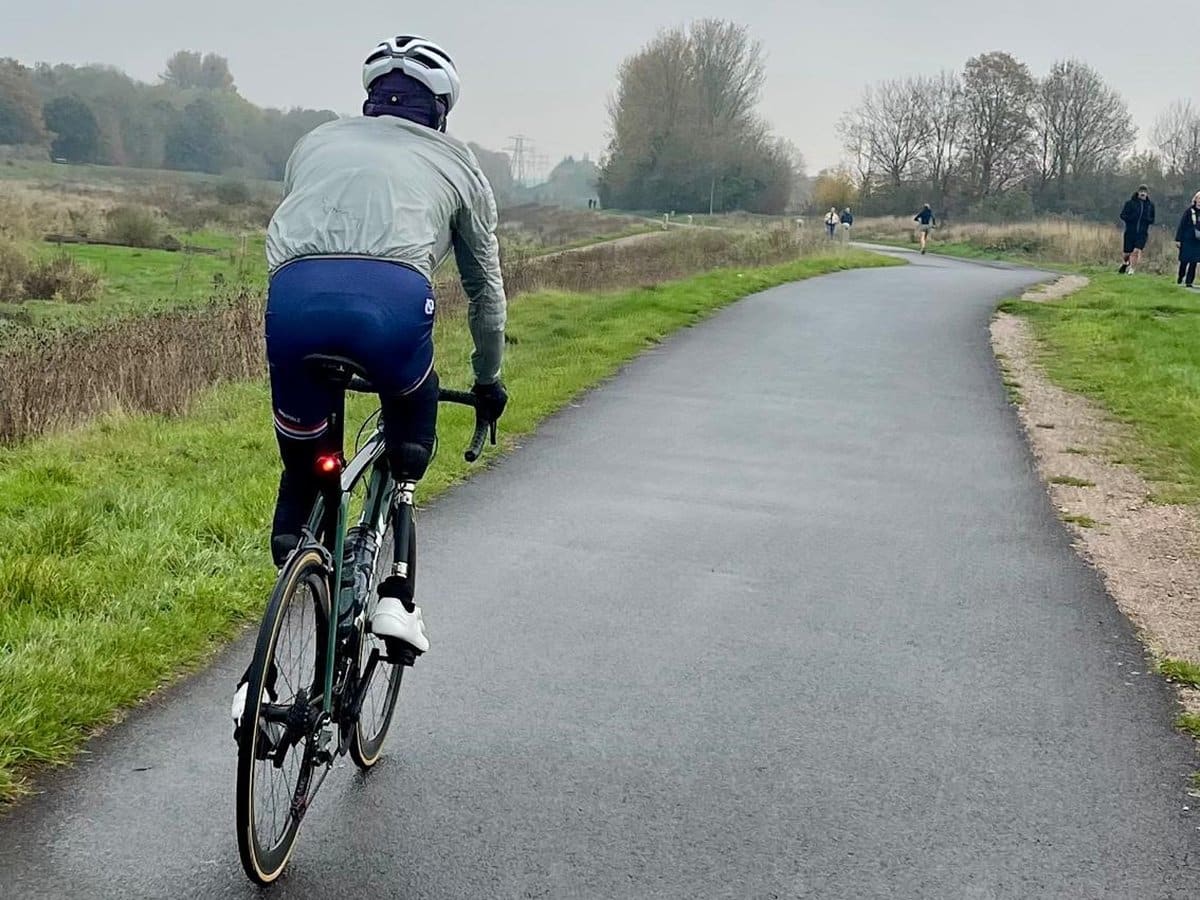
“The end result is that I’m back on my bike more regularly, and at ever greater intensities. I have the functional performance of a traditional pedal, with the practicality and safety my ‘new’ legs need.
In my training intervals, my heart rate is a little lower for a given wattage. My biomechanics are smoother and I’m not worried about my foot slipping off the pedal. That’s huge for my confidence and peace of mind, because cycling is a massive part of my mental health and wellbeing.
I’m so impressed that I want to try the MTB versions and experiment off-road! Whether you have specific mobility needs or not, I’d urge you to try magped and see the benefits over ‘traditional’ clipless pedals for yourself.”
Follow Tom’s ride
Thank you for sharing your story, Tom. We’re thrilled magped could help you on your way back to a life with bikes, and we can’t wait to see you take the MTB pedals off-road.
Follow Tom’s progress on Instagram and at TomStaniford.com.
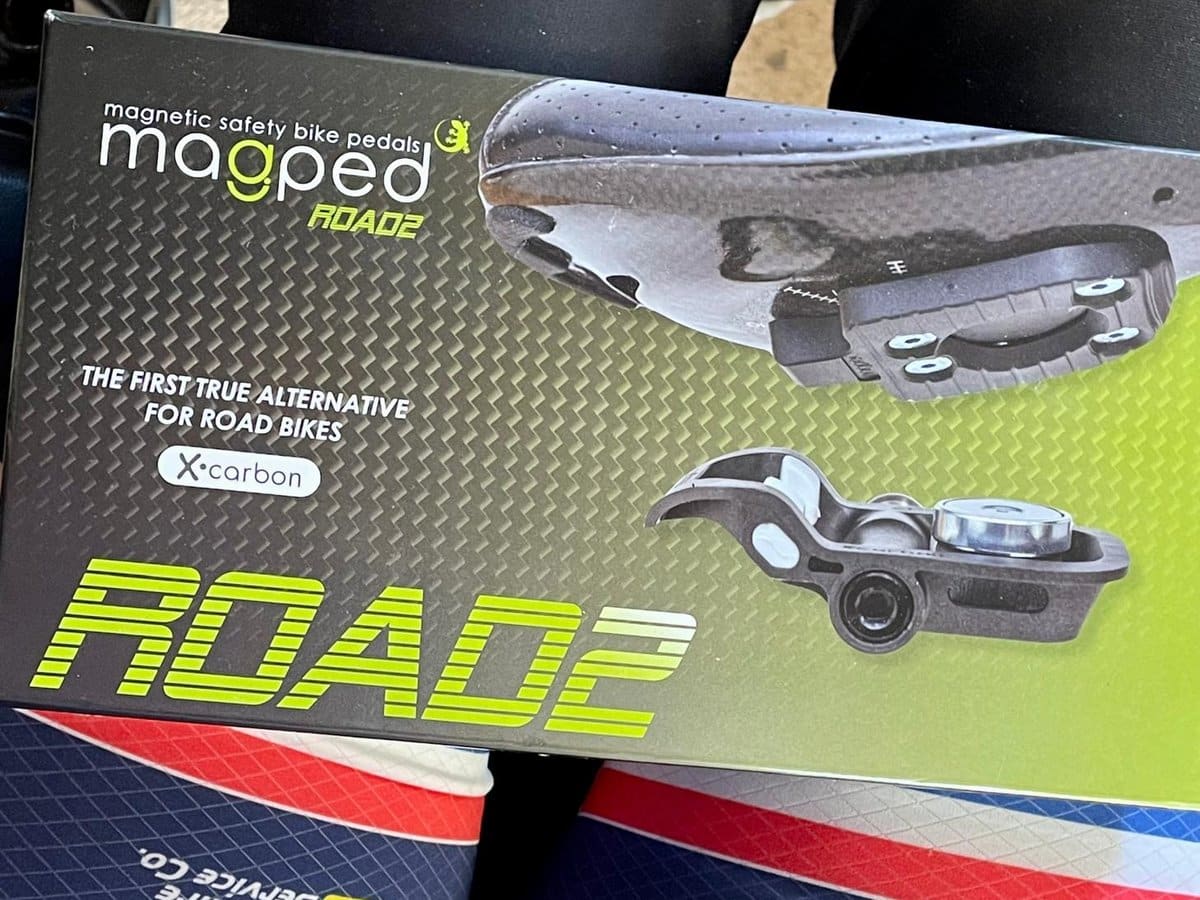
Curious how magnetic pedals would feel for you? Take a look at ROAD2, watch the ROAD2 setup video, or try a pair at your local magped dealer. For more on this topic, read our article on cycling with disabilities.
Photos: Tom Staniford